
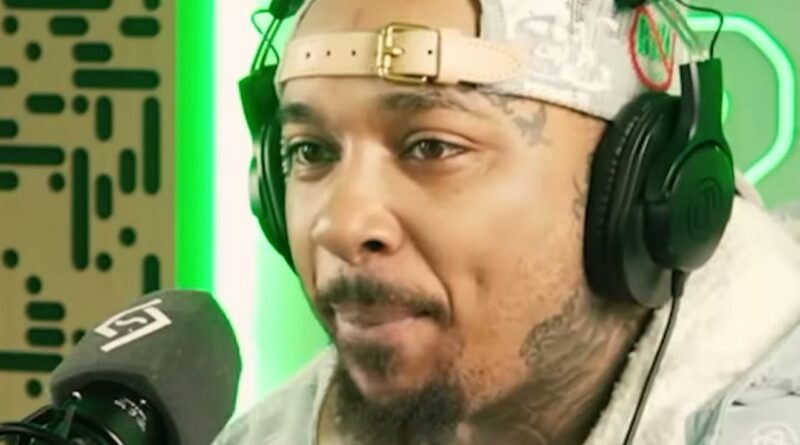
Doe Boy, Quavo and Meek Mill Want the Mixtape Era Back
It started with one post. On Sunday, Cleveland rapper Doe Boy took to X and said out loud what a lot of artists have been saying in private: “Rap game need a new platform to find new artist like LiveMixtapes, Spinrilla, MyMixtapez, etc. Apple Music and Spotify not really for discovering artist, we need something that can help upcoming rappers get seen!” In a follow-up, he sharpened the point — SoundCloud, the platform most often named as the mixtape era’s heir, has no front page that puts a new artist in front of you the way LiveMixtapes once did. Within two days, the post had pulled in some of the biggest names in rap, and by Tuesday XXL had rounded the whole exchange up as it kept growing.
Quavo jumped in first and loudest. “Mixtapes made us rich not albums,” he posted, tagging Spotify directly and saying he would drop music every week if a real mixtape platform existed — in the same exchange, he asked Apple Music executive Larry Jackson to make Apple mixtapes “an actual platform.” It is not a random example: Migos built their name on a run of free tapes — No Label, the Streets On Lock series, YRN — years before their albums went to No. 1. Producer TM88, whose sound defined that same era, backed the argument in blunter terms, saying that taking mixtapes out of the game did “irreversible damage” to rap music.
Meek Mill turned the conversation from nostalgia into economics. Quote-posting Doe Boy in agreement, Meek argued that artists should be building their own apps and websites instead of depending on streaming services and labels to get paid. He went at the math underneath the whole system: “Whoever made up 1500 streams a sale is insane,” he wrote, saying whoever agreed to that formula “help set the music eco system back 10 years for the artist and consumer.” And he argued that pricing every release the same, a brand-new artist sitting next to a Jay-Z or a Michael Jackson, devalues the music itself: “If you take a house worth 100m and neighbor it with 100k houses the whole value gone drop or rise in that area and with rap it dropped bad!”
The rest of the exchange filled in the blueprint, in posts rounded up by XXL. Producer Sonny Digital suggested the streaming services build a “G league for music” — a developmental tier where new artists can grow before they are thrown against superstars. Murda Beatz credited the mixtape circuit for his own rise. Doe Boy contrasted the lasting careers the tape era produced with careers built on a viral TikTok moment. And the old infrastructure answered for itself: $NOT told Quavo to just drop the tapes on SoundCloud, while DJ Trap-A-Holics pointed out that their hosting service never actually stopped.
What the mixtape era did, at its best, was development. A young artist could release free music constantly, get hosted by a DJ whose name carried weight, land on a front page that every rap fan checked daily, and build a real audience before a label ever priced them. Streaming replaced that pipeline with an algorithm and a playlist meeting: the music is available everywhere, but being available is not the same as being discovered, and a first-week number now decides careers that used to get three tapes to grow. The pushback in the replies is real, though. Fans reminded the artists that the old sites ran on bots and paid placement, that SoundCloud and Audiomack never went anywhere, and one reply argued nobody took the mixtapes away — artists themselves moved on and started calling everything an album to satisfy record deals. Even LiveMixtapes’ own account jumped into Quavo’s mentions.
So what is actually being asked for is not the old internet back. It is a discovery-first home for rap — a front page, a culture of hosts and tastemakers, room for new artists to develop in public — whether that gets built by Apple or Spotify answering Quavo’s tag, or by artists taking Meek’s advice and building it themselves. The platforms named in Doe Boy’s post never fully died; they just lost the center of the culture. No service has answered the call yet. But when a conversation runs from Doe Boy to Quavo to Meek Mill to the producers who scored the era, it is not really about websites. It is about who controls how the next rapper gets found — and right now, the artists are saying it should not be an algorithm.
Photo: Doe Boy / Instagram.